INDUSTRY SOLUTIONS / LIVESTOCK
Livestock monitoring solutions.
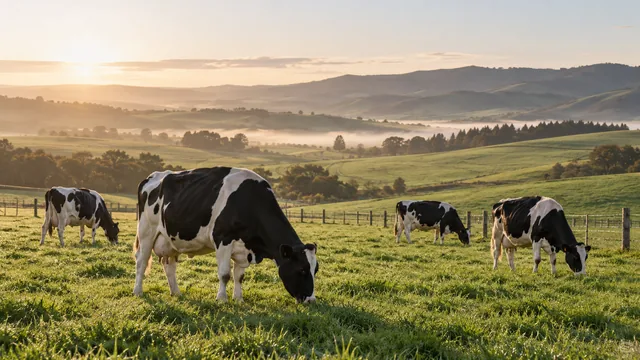
Bring herd monitoring, alerts and follow-up records into daily farm management, with equipment and system connections planned around site conditions.
THE SOLUTION
From a monitoring signal to a recorded check.
A useful monitoring setup connects equipment readings with the work farm staff carry out. The plan covers what to monitor, who checks an alert and where the response is recorded.
Herd monitoring
Sensing equipment collects physiological and activity information from cattle.
Monitoring and alerts
The platform brings signals together and highlights changes for staff to check.
Checks and records
Agree who receives alerts, checks animals and records the follow-up.
MONITORING EQUIPMENT
Tail-worn cattle sensor.
The tail-worn sensor collects physiological and activity information. Its accompanying platform provides monitoring related to breeding, calving and animal health.
Equipment selection and configuration take account of herd type, fitting requirements and site connectivity. The sensor is one component of the monitoring solution, alongside the platform and staff follow-up.
View equipment details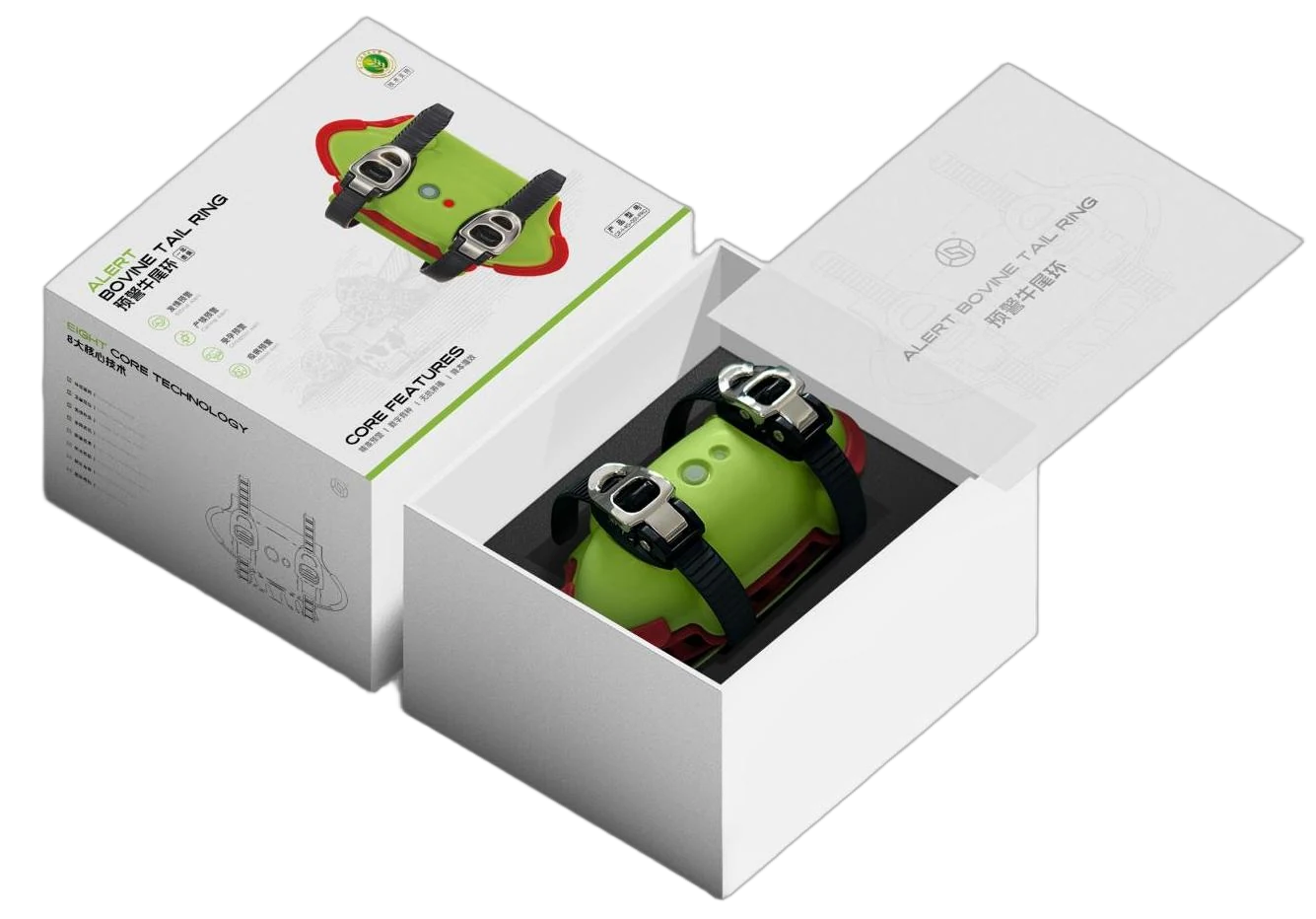
VETERINARY COLLABORATION
Give your vet the history behind an alert.
Bring available monitoring records and farm observations into the same discussion. Your veterinarian uses that context alongside the animal's history and examination to decide what care and follow-up are needed.
Discuss veterinary collaboration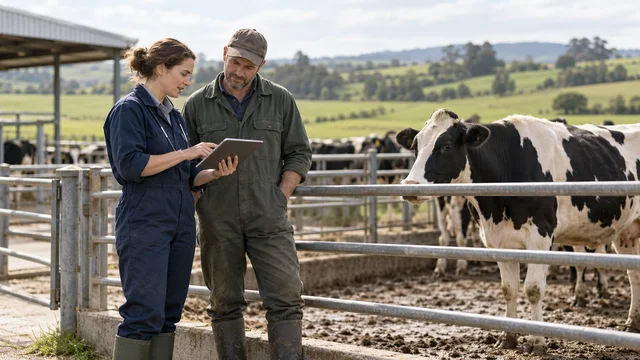
Before a farm visit
Prepare the animal ID, the timing of the change, available monitoring records and what staff have observed. Give the veterinarian a clear account of the concern.
During the examination
The veterinarian considers the monitoring history alongside an examination and earlier records. Farm staff add relevant changes in feeding, management or behaviour.
At the next review
Record the observations and review dates agreed with the veterinarian. Keep subsequent changes, staff checks and actions available for the next assessment.
Agree how the farm and vet share information.
J2K works through the record requirements, access permissions and follow-up responsibilities with the farm and its veterinarian. We confirm suitable sharing and system-connection arrangements against the manufacturer's platform capabilities.
- Animal identification and monitoring period
- Available trends and alert history
- Staff observations and earlier examination records
- Veterinarian-agreed review dates and the person following up
IMPLEMENTATION
Fit monitoring into daily farm management.
Equipment, systems and staff responsibilities
J2K reviews monitoring priorities, existing records and alert follow-up with the farm team. We coordinate equipment configuration and system-connection requirements with the technology manufacturer.
The manufacturer provides the sensing technology and product platform. The implementation plan sets out equipment supply, connectivity, installation, training and continuing support responsibilities.
PILOT PLANNING
Test the setup in your farm's working conditions.
A pilot can begin with part of the herd. Agree what to record before deployment: data availability, alert delivery, staff checks and follow-up records. Review those results with the farm team before deciding the next deployment stage.
What to agree
- Herd type, size and monitoring priorities
- Connectivity and existing records
- Equipment, installation and training
- Alert recipients and follow-up records
- Operating measures for the pilot review
PROJECT EXPERIENCE
A project connecting monitoring and farm records.
Our team delivered a livestock project with a cattle monitoring manufacturer. The case describes environmental monitoring, health-related alerts, feeding assistance and operating records.
Read the livestock case studyFAQ
Planning a monitoring solution
What herd information do you need?
Tell us whether you manage dairy or beef cattle, the herd size, operating conditions and monitoring priorities. We confirm the equipment and configuration with the manufacturer.
What connectivity is required?
We review site coverage and data-transfer requirements before proposing a deployment.
What happens after an alert?
Farm staff check the animal and record the action taken. The implementation assigns alert recipients and follow-up responsibilities. Health concerns are referred for veterinary assessment.
Can our veterinarian take part?
Invite your veterinarian to help define the monitoring information, farm observations and follow-up records they need. We confirm access and information-sharing arrangements with the platform manufacturer before configuration.
How is it priced?
The quotation lists equipment, platform service, installation, system connections and ongoing support, with one-off and continuing charges shown separately.
CONTACT J2K
Discuss your farm's requirements.
Tell us the location, herd size and what you want to monitor.